logo_outline-1
risk-mng

Compliance Monitoring

Take the complexity out of control testing

Ruleguard's Compliance Monitoring software provides robust oversight of business activities, embedding a culture of continuous compliance and risk management across your firm. Take a pre-emptive approach to minimise risks, protect your consumers and adhere to regulatory requirements.

shutterstock_1768209053 1

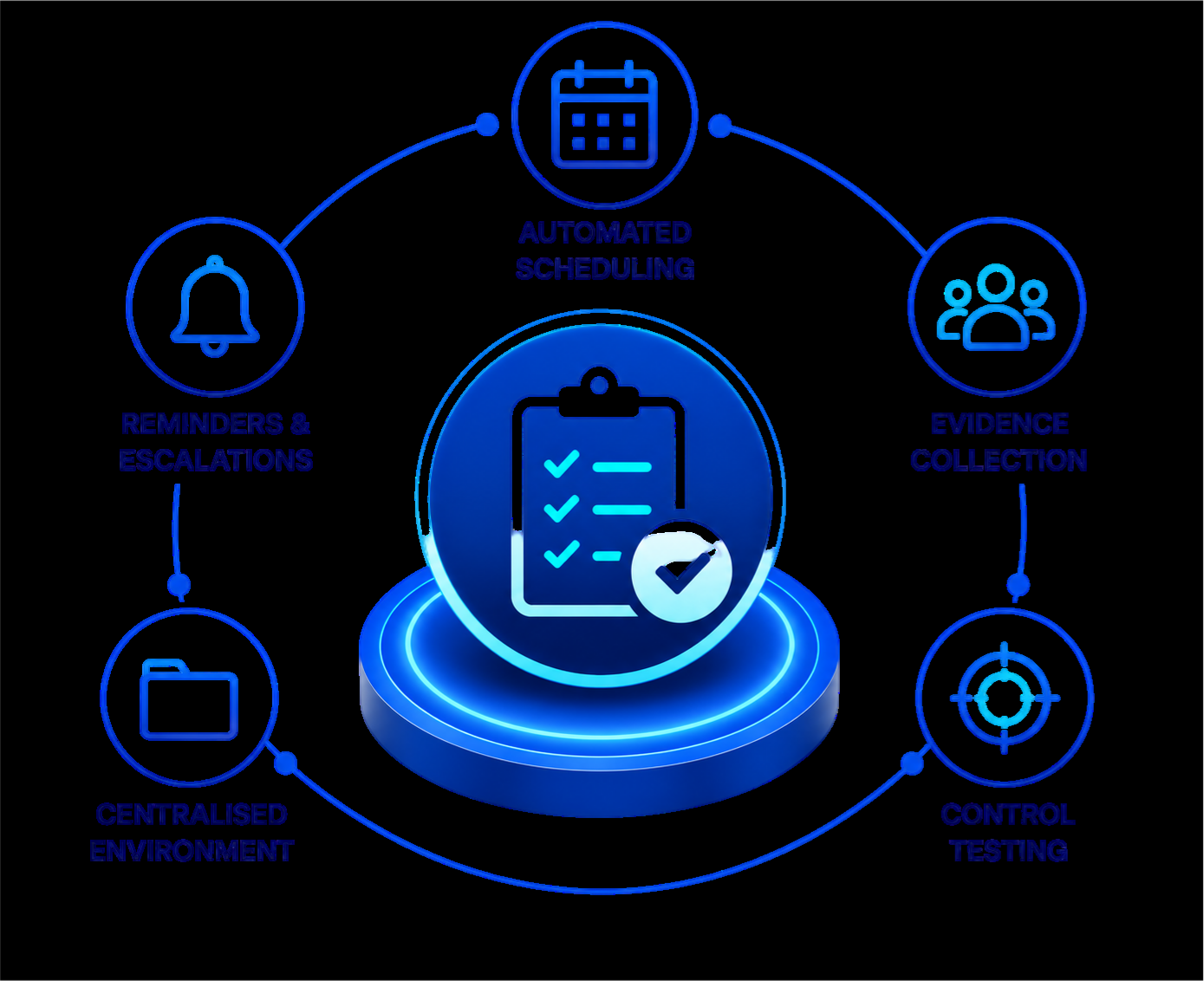
Start by linking regulatory obligations to the right controls. Then run repeatable testing, capture evidence as you go, assign and track remediation, and deliver clear reporting. All backed by a complete audit trail.

CheckCircle

Build monitoring plans and schedules

CheckCircle

Test control effectiveness (automated + manual evidence)

CheckCircle

Track issues, remediation and sign-off

CheckCircle

Produce audit-ready reports with a full audit trail

Benefits of our Compliance
Monitoring solution

Enhance your firm’s compliance capabilities and gain greater visibility, coverage and control with the Ruleguard platform. Build a clear monitoring plan, run structured control testing, and keep evidence and remediation actions linked in one place with a complete audit trail.

blue-check

Risk-based approach

Adopt a proactive, risk-based approach to compliance monitoring, focusing control testing where it matters most and spotting issues before they escalate

blue-check

Dynamic reporting

Generate interactive reports and insights, so stakeholders stay informed and decisions are backed by evidence. Without time-consuming manual reporting

blue-check

Comprehensive coverage

From front-line operations to third-party relationships, ensure every aspect of your business adheres to the highest regulatory standards.

Build Strong Monitoring Programmes

Discover how dynamic reporting and findings management improve visibility and control.

FAQs:

What is compliance monitoring software?

Compliance monitoring software helps you plan and run monitoring activity in a structured way, linking obligations to controls, recording testing outcomes, capturing evidence, and tracking remediation through to sign-off. It replaces fragmented spreadsheets and email chains with a single workflow and an audit trail you can rely on.

What’s the difference between compliance monitoring software and GRC software?

GRC is the broader framework: governance, risk and compliance across the organisation. Compliance monitoring software is the operational layer, building monitoring plans, running control testing, capturing evidence, recording findings and tracking remediation. In practice, GRC defines what “good” looks like; monitoring proves it’s being executed and can be evidenced.

How does Ruleguard support control testing and monitoring plans?

Ruleguard helps you design monitoring plans, schedule testing, and run consistent checks using workflows and questionnaires. Testing outcomes can be recorded against the relevant control and obligation, with evidence attached and actions assigned to owners. That keeps reporting traceable and reduces the scramble when stakeholders want proof of control performance

How do we capture evidence and keep an audit trail?

Evidence can be stored and organised against the relevant monitoring activity, control or requirement, with actions and updates recorded over time. This creates a clear audit trail of what was tested, what was found, what changed, and who signed it off.

What happens when a test fails, and how is remediation managed?

When a test identifies an issue, you need a controlled response: assign ownership, document the finding, agree on remediation actions, track progress and record sign-off. The key is traceability—linking the failed test to the impacted control/obligation and documenting what was done. This is what turns “we spotted a problem” into “we managed it properly.”

Can it help with audit preparation (ISO, SOC, internal audits)?

Yes. By keeping monitoring plans, testing, evidence and remediation in one place, compliance monitoring software reduces the scramble when an audit starts. You can produce structured reporting and show a clear audit trail without rebuilding the story from scratch.

  1.  

How hard is it to implement?

Implementation depends on your scope and how quickly you want to standardise monitoring. Most teams start by defining their monitoring plan, controls and reporting needs, then expand as processes mature. The goal is quick structure first, then deeper configuration over time.

Can we tailor monitoring to our risk profile and business areas?

Yes. Monitoring is most effective when it’s risk-based: you focus testing where the exposure is highest and adjust coverage by business area, regulatory theme, control set or team. That makes monitoring plans easier to justify internally and makes reporting more meaningful to senior stakeholders.

RULEGUARD INSIGHTS

Our latest thinking 

Read about our latest insights on regulatory updates
and risk management